


How Is Embryo Transfer Performed?
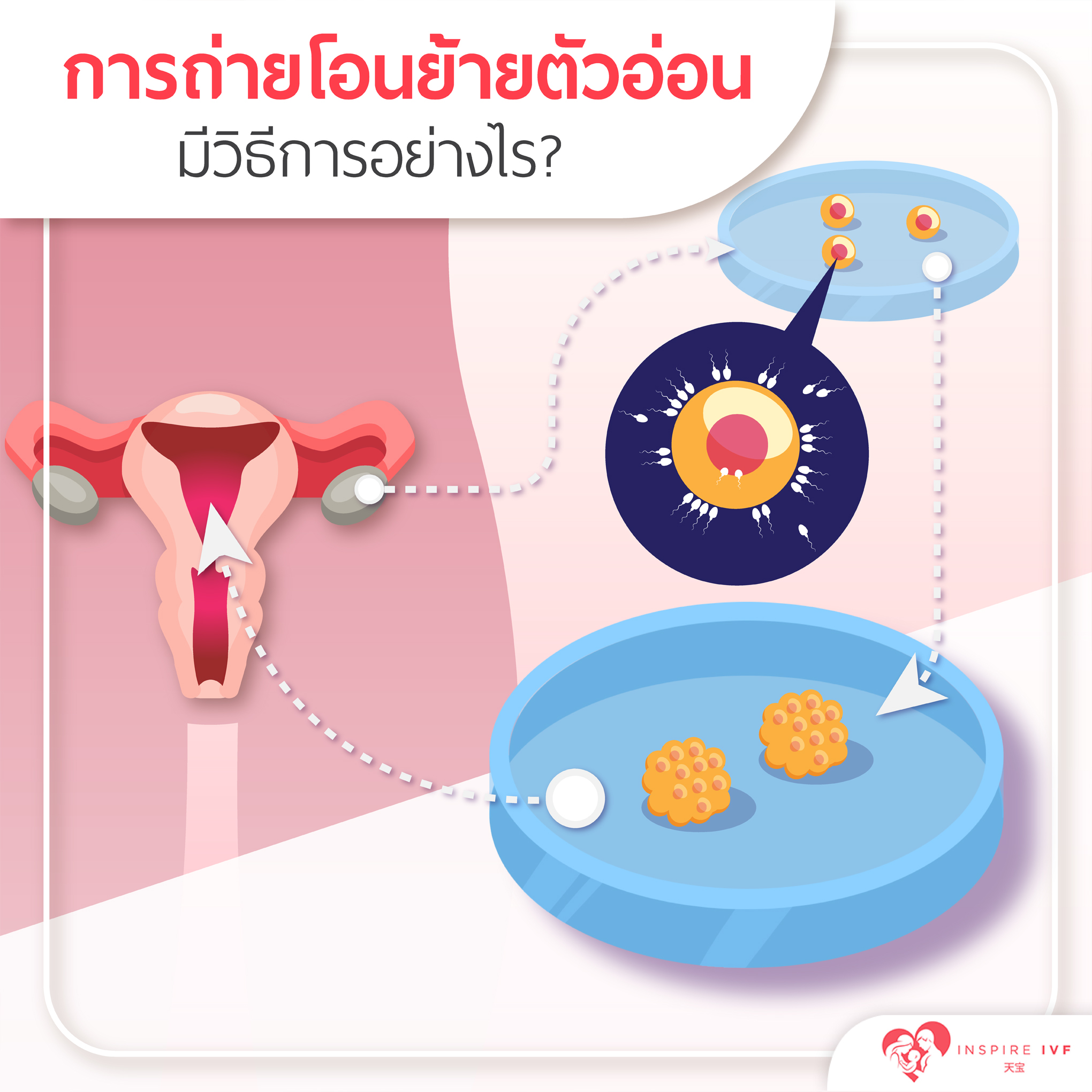
How Is Embryo Transfer Performed?
A healthy baby begins with the completeness of the embryo. This is why doctors recommend checking for chromosomal abnormalities from embryo tissue through PGD and PGS. By taking a small biopsy from the embryo, this procedure can increase the chances of pregnancy by screening for abnormal genes and chromosomes. The embryo transfer is performed after the eggs have been collected and fertilized with sperm. The embryo is then transferred back into the uterine cavity for implantation, leading to pregnancy and eventually the birth of a baby. The embryo transfer procedure is performed by placing the embryo through a transfer catheter, with the help of transvaginal ultrasound to determine the position where the embryo should be placed.
Embryo transfer is a procedure similar to a cervical cancer screening examination. Generally, it does not cause pain and does not require general anesthesia. The same procedure is also used for Frozen Embryo Transfers (FET). The uterine lining is prepared using hormone injections and ultrasound monitoring. The embryo thawing process takes into consideration the woman’s age, embryo quality, and compatibility with the uterine lining. At Inspire IVF, more than 98% of embryos survive the freezing and thawing process and remain suitable for transfer. After embryo transfer, a pregnancy test will be performed 2 weeks later to determine whether implantation has occurred and whether the embryo has developed into a pregnancy.