


Environmental



Performance

Energy Management
The company places great importance on the efficient use of energy while maintaining service quality. The company has initiated a campaign encouraging its staff to adopt the following practices:
In 2023, the Company began recording electricity consumption statistics to serve as a basis for analyzing and monitoring the effectiveness of its energy management initiatives.
Annual electricity consumption in 2025 amounted to





Water Management
The company encourages employees, management, and clients to use water resources responsibly by implementing the following measures:
In 2023, the Company began recording statistics on water consumption to serve as data for analyzing and monitoring the effectiveness of its water resource utilization initiatives.
The Company’s total water consumption amounted to 442.24 cubic meters in 2023, 458.02 cubic meters in 2024, and

Waste, Wastewater, and Pollution Management
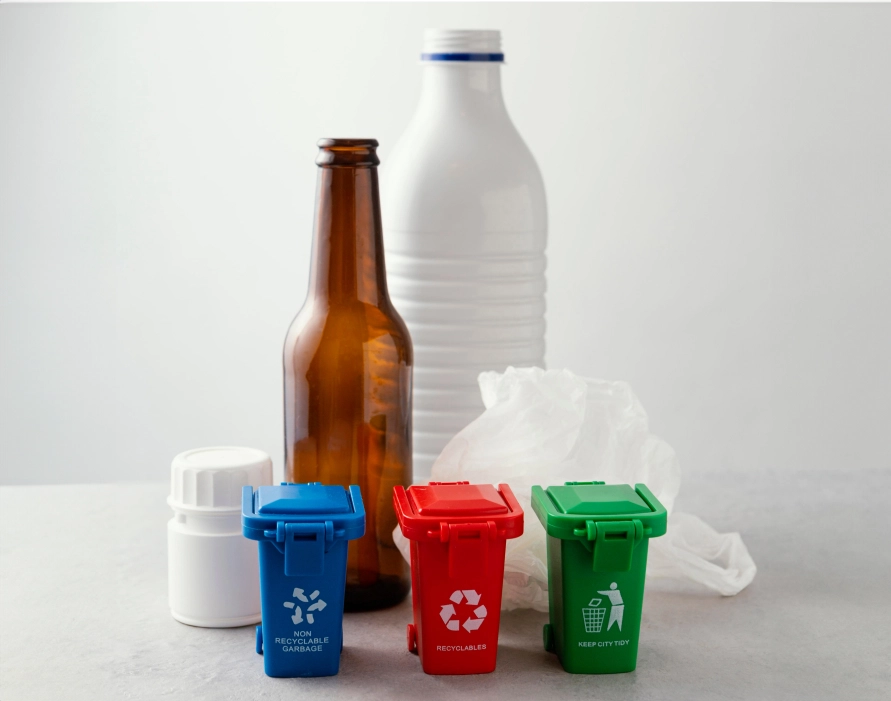
The company has established policies and practices regarding waste disposal, including the separation of general waste and infectious waste for proper management. Separate waste bins are provided based on waste types, including:
General Waste
Infectious Waste
- Sharp Infectious Waste: Items such as needles, blades, and IV set tips should be placed in puncture-proof containers with lids.
- Non-Sharp Infectious Waste: Items like blood-soaked gauze, gloves, and syringes should be placed in red garbage bags and contained in leak-proof bins with tightly sealed lids, labeled “Infectious Waste.”
- Liquid Infectious Waste: Items such as blood, urine, and bodily fluids should be placed in red garbage bags and stored in leak-proof containers with tightly sealed lids, also labeled “Infectious Waste,” just like non-sharp infectious waste.
Hazardous Waste
For waste transfer, the Company requires the use of containers with appropriate lids or seals, from the disposal area to the building’s designated waste storage area. The building management will arrange for external contractors to collect and transport the waste to a disposal center in accordance with prescribed procedures, ensuring proper and efficient waste management.
In 2025, the Company generated a total of 600 kilograms of waste and refuse, all of which consisted of infectious waste. The waste was properly segregated and handed over to licensed waste disposal contractors in accordance with relevant procedures and regulations.


Greenhouse Gas (GHG) Emission Reduction Management
The company has a policy to create a carbon-neutral organization. It will conduct an assessment of the greenhouse gases generated from its activities and produce an annual carbon footprint assessment report. Additionally, it will promote and regularly carry out activities to reduce greenhouse gas emissions, and has a plan to procure carbon credits to offset the company’s greenhouse gas emissions.
For this year, the Company has conducted an assessment of greenhouse gas emissions arising from its activities and prepared the organizational carbon footprint report. The assessment was carried out by Green Style Co., Ltd., serving as the carbon footprint assessment consultant, and verified by ECEE Co., Ltd. The total greenhouse gas emissions from the Company’s operations and activities amounted to 19 tons of carbon dioxide equivalent (Scope 1 and 2). The Company will also purchase carbon credits in the amount of 19 tons of carbon dioxide equivalent (Scope 1 and 2) to fully offset its emissions, as in previous years.
Unit: (Tons of CO2e)
| 2023 | 2024 | 2025 | |
|---|---|---|---|
| Total greenhouse gas emissions | 42 | 21 | 19 |
| Total greenhouse gas emissions - Scope 1 | 23 | 0 | 1 |
| Total greenhouse gas emissions - Scope 2 | 19 | 21 | 18 |
Remarks: Scope 1 refers to direct greenhouse gas emissions from the organization (Direct Emissions) resulting from activities directly undertaken by the organization. Scope 2 refers to indirect greenhouse gas emissions from energy use (Indirect Emissions), such as electricity imported from external sources for use within the organization and other imported energy. Scope 3 refers to other indirect greenhouse gas emissions (Other Indirect Emissions) not included in Scope 1 and Scope 2.
The company will conduct annual assessments of greenhouse gas emissions resulting from its activities and prepare a Carbon Footprint Assessment Report each year. Additionally, the company will continuously promote and implement activities aimed at reducing greenhouse gas emissions on a regular basis.
