


What Is PGT? When Should You Consider It?
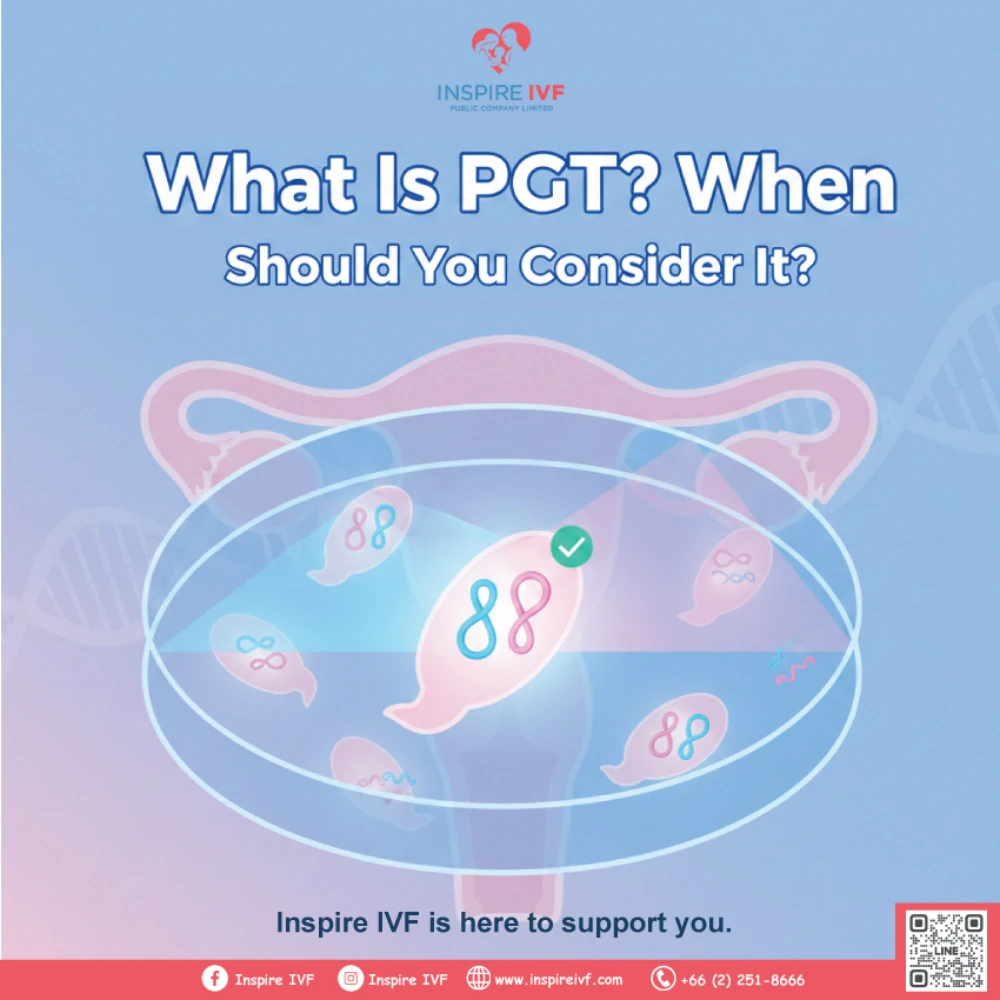
How Chromosome Screening Helps Reduce Miscarriage & Improve IVF Success
Many couples ask: “Do we really need PGT?”
Here’s a simple, clear explanation.
🔬 What Is PGT?
PGT (Preimplantation Genetic Testing) is a test that analyzes the chromosomes of embryos before they are transferred into the uterus.
It helps identify whether an embryo is:
- Chromosomally normal (euploid)
- Chromosomally abnormal (aneuploid)
How it works:
- A few cells are gently biopsied from a Day 5–6 embryo
- The cells are tested using advanced genetic technology
- Only healthy, chromosomally normal embryos are selected for transfer
✨ Why Does PGT Improve IVF Success?
More than 50–70% of failed implantations and miscarriages
are caused by chromosome abnormalities that cannot be seen under a microscope.
PGT helps by:
- Selecting embryos with normal chromosomes
- Reducing miscarriage risk
- Increasing implantation rates
- Improving success per embryo transfer
- Lowering the chance of having a baby with genetic abnormalities
👶 When Should You Consider PGT?
PGT is especially recommended for couples who have:
✔ Women aged 35+
Eggs at this age are more likely to have chromosomal errors.
✔ Recurrent miscarriages
Many miscarriages are caused by chromosomal abnormalities.
✔ Multiple failed IVF cycles
PGT helps identify the strongest embryos for transfer.
✔ Known genetic conditions in the family
Such as thalassemia, translocations, or other inheritable diseases.
✔ Limited number of embryos
PGT helps make every transfer count.
PGT isn’t required for everyone, but it is a powerful tool that helps fertility specialists:
- Select the healthiest embryos
- Reduce miscarriage
- Increase IVF success rates in the safest, most efficient way
Inspire IVF
offers internationally certified PGT technology
to give every family the highest chance of a healthy pregnancy.